Get a More Information

Friday, 28 June 2024

Best removalists Brisbane | Professional Moving Services

When it comes to moving, whether it be to a new home or office, the process can be overwhelming and stressful. This is where professional removalists come in to make the transition smoother and hassle-free.In t his comprehensive guide, we will explore the various aspects of choosing the right Best Removalists Brisbane to ensure a successful move.

Understanding the Role of Professional Removalists

Professional removalists in Brisbane serve a pivotal role in the relocation process.

Expertise

These experts are not just about moving items from one place to another; they bring a level of expertise and care to the moving process that can significantly reduce the stress and physical burden on individuals and businesses alike. With rigorous training under their belts, removalists are adept at handling a wide variety of items, ensuring that everything from fragile pieces to bulky furniture is transported safely and efficiently.

State-of-the-art packing

They employ state-of-the-art packing techniques and materials, customised to protect your belongings during transit. Moreover, their experience allows them to anticipate and navigate any potential challenges that may arise during a move, such as narrow staircases, tight corners, or adverse weather conditions.

Condition

Engaging professional removalists means entrusting your valuables to individuals who understand the importance of maintaining the condition of your items, prioritising their safety above all else. This commitment to excellence in service delivery not only streamlines the moving process but also provides peace of mind, knowing that every aspect of the move is in capable hands.

The Benefits of Hiring Removalists

Engaging removalists in Brisbane for your moving needs comes with a plethora of advantages that significantly ease the transition process.

No Physical Strain

One of the key benefits is the reduction in physical strain and the risk of injury that often accompanies the lifting and shifting of heavy or bulky items. Professional removalists are equipped with the necessary skills and tools to handle heavy loads efficiently, mitigating any potential harm to those involved in the move.

Meticulous Planning and Execution

Furthermore, the expertise of removalists extends to meticulous planning and execution of the move, tailored to fit individual requirements and schedules. This bespoke service ensures that every detail, from the packing of fragile items to the arrangement of transport logistics, is managed with precision. The use of high-quality packing materials and techniques further underscores the commitment to safeguarding your belongings, significantly minimising the risk of damage during transit.

Time-saving

Another notable benefit is the time-saving aspect. The comprehensive services offered by removalists, including packing, loading, transporting, unloading, and unpacking, free up valuable time for you to focus on other essential tasks related to settling into your new home or office. This efficiency not only accelerates the moving process but also alleviates the stress and anxiety that often accompanies it, allowing for a more enjoyable and seamless transition.

How to Find the Best Removalists?

Identifying the finest removalists in Brisbane requires a methodical approach. Starting this journey, a valuable initial step involves seeking personal endorsements from individuals within your circle who have recently availed themselves of similar services. Their firsthand experiences can offer insightful revelations about the quality of service and reliability. Concurrently, delving into online platforms to scrutinise customer reviews and ratings becomes indispensable. These digital footprints provide an unvarnished glimpse into the performance and customer satisfaction levels associated with various removalist firms in Brisbane.

Pursuing quotations from a spectrum of providers is another strategic move. This not only furnishes a comparative landscape regarding pricing but also sheds light on the breadth of services available. It’s imperative during this phase to probe beyond the surface level of numbers and understand the value proposition offered by each removalist—be it additional services, insurance coverage, or their approach to handling special items.

Engagement in due diligence, such as verifying the credentials and insurance status of the removalists, further solidifies the decision-making process. This comprehensive approach ensures that the chosen removalists not only align with budgetary considerations but also resonate with the specific requirements and expectations of the move, thereby paving the way for a seamless relocation experience.

Understanding the Costs Involved with Removalists

The financial expenditure for hiring removalists in Brisbane is affected by a variety of factors, making it crucial for potential customers to obtain an accurate breakdown of costs in advance. The distance that your possessions need to be transported plays a significant role in determining the overall cost.

Moving over long distances will inevitably result in higher charges due to the extended travel time and fuel expenses. Similarly, the size and nature of the items being moved also contribute to the cost. Larger, more unwieldy items or a greater quantity of belongings require more resources, potentially increasing the price. Additionally, specialised services, such as packing and unpacking your belongings, providing premium packing materials, or handling fragile and valuable items, can also impact the final quote.

It is recommended to have thorough discussions with your chosen removalists about any additional services you may need. This ensures a comprehensive understanding of the financial commitment involved, allowing for a more informed decision-making process. Always seek clarification on any potential extra fees, such as for excessive weight or last-minute changes, to proactively address any financial concerns that may arise during the moving process.

Preparing for the Move: Tips and Tricks

Embarking on the moving journey necessitates a well-thought-out plan to mitigate potential stressors. Commence this process by diligently decluttering your space; this act not only simplifies the packing endeavour but also provides a fresh start at your new abode. An effective method to maintain organisation and ease the unpacking process is the implementation of a colour-coding system for your boxes. Assign a specific colour to each room and match the boxes accordingly. This visually intuitive system aids the removalists in placing the boxes in their designated rooms swiftly.

In addition, create a comprehensive inventory of your belongings. This detailed list serves as a valuable tool for tracking items throughout the move, ensuring nothing gets misplaced. For items of sentimental or high financial value, consider taking photos before packing. These visual records can be useful should any disputes or claims arise.

Communicating with your chosen removalists about items that require special attention is imperative. Discuss the need for extra padding, custom crating, or any particular concerns you might have about certain belongings. This dialogue ensures that the removalists are well-informed and prepared to handle your possessions with the care and specificity they require.

The Day of the Move: What to Expect

The day of your move is a culmination of all the planning and preparation, marking the beginning of a new chapter. As the sun rises, anticipate the arrival of your chosen removals team from Brisbane, who will come equipped with the tools and expertise to ensure a smooth transition. The team will commence by systematically packing your belongings, employing their skills to safeguard each item, regardless of its size or fragility. This meticulous approach extends to the loading phase, where items are carefully arranged in the vehicle to prevent any movement or damage during transit.

Upon reaching your new residence, the team will proceed with unloading your possessions with the same level of care and precision. They will place items in the respective rooms according to your prior instructions or based on the colour-coding system you’ve established. It’s important during this stage to remain available for any queries the removals team might have, ensuring each item is placed exactly where you want it.

Engage in a final walkthrough with the removals team to confirm that all tasks have been completed to your satisfaction. This moment also presents an opportunity to clarify any doubts and to ensure that all your belongings are accounted for before the team departs. This proactive engagement facilitates a seamless transition, allowing you to focus on settling into your new space with ease.

Avoiding Common Pitfalls with Best removalists Brisbane

Navigating the process of moving with Best removalists Brisbane can be seamless if common pitfalls are skilfully avoided. Firstly, it is essential to thoroughly review all contractual documents provided by the removalists. This ensures clarity on the scope of services, payment terms, and any liability clauses. Misunderstandings often arise from assumptions or overlooked details in the contract, leading to unnecessary stress and conflict.

Another key aspect is open and clear communication with your removalists. Articulating special requirements or expectations at the outset prevents any last-minute surprises. For instance, if certain items need specialised packing or handling, discussing these needs beforehand allows the removalists to adequately prepare and bring the necessary equipment or materials.

Proactive engagement is also crucial in mitigating potential issues. This includes promptly addressing any concerns or changes in moving plans. Delays in communication can result in scheduling conflicts or additional charges, especially if the moving date is close. By keeping these tips in mind and actively participating in the moving process, common pitfalls can be avoided, paving the way for a smoother relocation journey with your Brisbane removalists.

Post-Move: Unpacking and Settling In

After the flurry of moving day activities has subsided, the focus shifts to transforming your new environment into a home. Initiating the process with unpacking essentials paves the way for a smooth adjustment period. Methodically unpack boxes room by room, starting with the spaces most critical for daily living such as the bedroom and kitchen. This strategy not only prioritises functionality but also provides a sense of achievement as you see each area come to life.

During this stage, it’s beneficial to reflect on the layout and organisation of your new space. Consider the placement of furniture and items in a way that enhances both the aesthetics and practicality of each room. If certain belongings no longer fit or serve a purpose, this may be an opportune time for further decluttering, thereby ensuring your new surroundings are curated to your current lifestyle and preferences.

Should any challenges arise, whether they’re related to damaged items or logistical concerns, remember that communication with your removal service can provide solutions and advice post-move. Their experience can be a valuable resource not just during the move, but as you settle in and adjust to your new home. This phase marks the beginning of creating new memories in your space, embracing the opportunity to reinvent your living environment tailored to your comfort and style.

Conclusion

Selecting proficient Best removalists Brisbane is a pivotal step towards ensuring a seamless and efficient relocation experience. This guide has traversed through the myriad aspects of engaging with removalists, from understanding their indispensable role in the moving process to navigating the selection of the most suitable service provider. It’s clear that the advantages of enlisting professional help not only alleviate the physical and emotional strain associated with moving but also underscore the importance of meticulous planning and execution.

FAQ’s

How many weeks before the move should I book Best removalists Brisbane?

A: Booking removalists in Brisbane should ideally be done several weeks ahead, particularly if your move coincides with busier periods.

Will the removalists provide boxes and packing supplies?

A: This varies by company; some removalists in Brisbane include packing supplies as part of their services, whereas others may charge an additional fee. It’s advisable to clarify this when making your booking.

What steps should I take if I need to change my moving date?

A: Contact your removalists as early as possible to discuss rescheduling. This helps in avoiding any possible cancellation charges and ensures the availability of services on the new date.

Other Good Articles to Read
Blogs-Nation
Blogs-Peoples
Bryan Smith Blogs
intellect blogs
the fault in our blogs
blogs eu
oz forums
recruitment blogs
zet blogs
id blogs
Blog Studio legale
blogs map
Related Business Listings
Contact Directory
Local Business Profiles


The post Best removalists Brisbane | Professional Moving Services appeared first on Blogs Peoples.


from Blogs Peoples https://ift.tt/8RNZ94U
via IFTTT
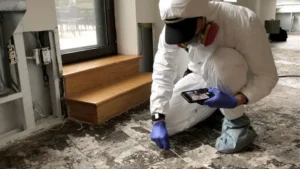
Mould Sample Testing Sydney: The Comprehensive Guide

As the adage goes, “a healthy home is a happy home”. But what happens when the very foundation of our sanctuary is threatened by mould? Mould growth can be a silent killer, spreading its toxic spores and wreaking havoc on our health and well-being. In a city like Sydney, where the humid climate and aging buildings create a perfect storm for mould growth, it’s essential to stay vigilant and take proactive measures to detect and eliminate mould infestations. That’s where Mould Sample Testing Sydney comes in – a crucial step in identifying and addressing mould issues before they spiral out of control.

Why Mould Sample Testing is Crucial in Sydney

Sydney is a city renowned for its stunning beaches, iconic landmarks, and vibrant cultural scene, but beneath its picturesque façade lies a hidden threat—mould. Sydney’s humid and subtropical climate creates an ideal breeding ground for mould growth, which can have devastating consequences on human health, property, and the environment.

Mould sample testing is crucial in Sydney as it provides a vital early warning system for detecting and mitigating the risks associated with mould infestations. Mould can silently spread without proper testing, causing respiratory problems, allergic reactions, and long-term health damage.

Furthermore, mould can lead to significant property damage, reducing the value of your home or business and leaving you with costly repair bills. By investing in mould sample testing, Sydney residents and businesses can safeguard their health, property, and well-being, ensuring a safer and healthier living environment.

How to Identify Mould Growth in Your Home

Identifying its presence is the first step in tackling mould growth in your home. But how do you know if you have a mould problem? Mould can manifest in various ways, making it a sneaky invader that can go unnoticed until it’s too late. One of the most common signs of mould growth is the presence of black or greenish patches on walls, ceilings, and floors. These patches can appear as a powdery substance, a thick, slimy film, or even a fuzzy, velvety texture.

Musty odours and water stains are also telltale signs of mould growth. Additionally, peeling or bubbling paint, warping of wood, or a general feeling of dampness in the air may indicate mould presence.

Furthermore, if you or your family members are experiencing unexplained respiratory issues, such as coughing, sneezing, or congestion, it could indicate that mould is lurking in your home. By being aware of these signs and taking proactive steps to identify mould growth, you can prevent it from spreading and causing more severe health and structural issues.

The Process of Mould Sample Testing: What to Expect

Regarding mould sample testing in Sydney, it’s essential to understand the process involved to ensure accurate and reliable results. Here’s a step-by-step guide to help you navigate the process:

1. Initial Consultation

The process begins with an initial consultation with a trained technician to discuss your concerns and identify the areas of your property that require testing. This is an opportunity to ask questions and clarify any doubts.

2. Sample Collection

The technician will then collect mould samples from the affected areas using specialized equipment and techniques to minimize contamination. Depending on the type of testing required, this may involve collecting air, surface, or bulk samples.

3. Sample Preparation

The collected samples are then prepared for testing, which involves processing and preparing the samples for analysis. This may include dilution, filtration, or extraction techniques to extract the mould spores.

4. Laboratory Analysis

The prepared samples are then sent to a laboratory for analysis, where they are examined under a microscope to identify the type and quantity of mould present. This may involve culturing the samples to encourage growth and facilitate identification.

5. Data Interpretation

A trained technician interprets the laboratory results to determine the type and severity of the mould infestation. This may involve comparing the results to established guidelines and standards to assess the level of risk.

6. Reporting and Recommendations

A comprehensive report is then generated, outlining the findings, recommendations for remediation, and guidance on preventing future mould growth. This report clearly explains the mould infestation and the necessary steps to address it.

7. Post-Testing Support

Finally, the technician will provide post-testing support to ensure that the recommended remediation measures are effective and that the mould infestation is fully addressed. This may involve follow-up testing and monitoring to ensure the property is safe and mould-free.

Interpreting Mould Testing Sydney Results: What Do They Mean?

Once you’ve received the results of your Mould Testing Sydney, the next step is deciphering the data and understanding what it means for your health and well-being. This can be daunting, especially if you need to become more familiar with the terminology and metrics used in mould testing. The results will typically include a list of detected mould species, corresponding spore counts, and concentrations.

But what do these numbers mean? Are they safe or hazardous? Do you need to take immediate action to address the issue? Interpreting mould testing results requires a deep understanding of the various mould species, their potential health risks, and the acceptable levels of mould exposure.

In this section, we’ll break down the common types of mould testing results, what they indicate, and the next steps you should take to ensure a safe and healthy environment. By arming yourself with this knowledge, you’ll be better equipped to make informed decisions about mould remediation and removal strategies.

Post-Testing Steps: Remediation and Prevention Strategies

After conducting testing, whether it’s for academic purposes, quality assurance, or other types of assessments, it’s crucial to follow up with effective remediation and prevention strategies. Here’s a structured approach to post-testing steps:

1. Interpreting Test Results: Understanding the Data

Once the mould sample testing is complete, it’s essential to understand the results accurately. This involves interpreting the data to identify the type and quantity of mould present and the severity of the infestation. A thorough understanding of the test results will inform the remediation and prevention strategies that follow.

2. Identifying and Addressing the Source of Moisture

Mould growth is often a symptom of a more significant issue – excessive moisture. Identifying and addressing the source of moisture is crucial to preventing further mould growth. This may involve fixing leaks, improving ventilation, or using a dehumidifier to reduce humidity levels.

3. Containing the Affected Area

Containing the affected area is essential to prevent mould spores from spreading to other areas. This may involve sealing off the room or area with plastic sheets or using negative air pressure to prevent spores from escaping.

4. Removing Mouldy Materials

In some cases, removing mouldy materials, such as drywall or carpet, may be necessary to prevent further mould growth. This must be done carefully to prevent the spread of spores.

5. Cleaning and Disinfecting

Thorough cleaning and disinfecting of the affected area is crucial to removing mould spores and preventing further growth. This may involve using specialized cleaning products and equipment.

6. Implementing Prevention Strategies

Implementing prevention strategies, such as regular cleaning and maintenance, improving ventilation, and using a dehumidifier to reduce humidity levels, is essential to preventing future mould growth.

7. Ongoing Monitoring and Testing

Finally, it’s essential to conduct ongoing monitoring and testing to ensure that the mould infestation has been fully remediated and to prevent future growth. This may involve regular mould testing and inspections to identify potential issues before they become significant problems.

Choosing a Professional: What to Look for in Mould Assessment Sydney Services

When it comes to Mould Assessment Sydney, choosing a professional to conduct the assessment is crucial. You want to ensure that your chosen company has the expertise, experience, and equipment to provide accurate and reliable results. A reputable mould assessment service in Sydney should have a team of certified professionals trained in identifying and analyzing different types of mould.

They should also have access to state-of-the-art equipment and technology, such as thermal imaging cameras and moisture meters, to detect the most minor signs of mould growth. Additionally, look for a company that follows industry-standard protocols and guidelines, such as those set by the Australian Institute of Occupational Hygienists (AIOH) and the International Society for Indoor Air Quality and Climate (ISIAQ).

Furthermore, a professional mould assessment service should provide you with a detailed report outlining the test results, including the type and quantity of mould present and recommendations for remediation and prevention. By doing your due diligence and selecting a reputable and experienced mould assessment service, you can have confidence in the results and ensure a safe and healthy environment for your family or employees.

What to Do After Receiving Your Mould Sample Testing Results

Once you’ve received the results of your mould sample testing, it’s essential to take swift and decisive action to address any mould issues that have been identified. The first step is to carefully review the report, taking note of the types and levels of mould present, as well as any recommendations for remediation.

If the results indicate mould is present, it’s crucial to contain the affected area to prevent further spread. This may involve sealing the area with plastic sheeting, turning off HVAC systems, and using negative air pressure to prevent mould spores from becoming airborne.

Next, it’s essential to develop a comprehensive plan for mould remediation. This plan may involve cleaning and disinfecting surfaces, removing and replacing contaminated materials, and addressing any underlying moisture issues that may be contributing to mould growth. Taking prompt and effective action ensures that your property is safe, healthy, and mould-free.

Conclusion

In conclusion, Mould Sample Testing Sydney is crucial in identifying and mitigating the risks associated with mould growth in your home or workplace. By understanding the importance of mould testing, the different types of mould testing methods, and the steps involved in the testing process, you can take proactive measures to create a healthier and safer environment. Remember, mould testing is not a one-time task but rather an ongoing process that requires regular monitoring and maintenance to prevent mould growth.

Frequently Asked Questions

What is the most common type of mould found in homes and buildings?

Aspergillus, Penicillium, and Cladosporium are the most common types of mould found in homes and buildings.

How often should I conduct mould testing in my home or workplace?

Conduct mould testing at least once a year, especially in areas prone to high humidity and moisture.

What are the health risks associated with mould exposure?

Mould exposure can lead to respiratory problems, allergic reactions, and even neurological issues in severe cases.

Can I conduct Mould Testing Sydney on my own?

While it’s possible to conduct Mould Testing Sydney yourself, it’s recommended that you hire a professional to ensure accurate and reliable results.

How long does it take to get the results of mould testing?

Mould testing results typically take 2-5 business days, depending on the testing method and laboratory.

What are the benefits of hiring a professional mould testing company in Sydney?

A professional mould testing company in Sydney can provide accurate and reliable results and expert guidance on how to mitigate mould growth and prevent future infestations.

Other Good Articles to Read
Niche Blogs Connect
Blogs 97
Blog Stitution
Blogs Unplugged
Blogs Cotch Rouge
Blog Signatr
Blog Sintonias
Blog Zilla
Consumer Forums
Finance Forums
G Blogs
Too Blog
Related Business Listings
Contact Directory
Local Business Profiles


The post Mould Sample Testing Sydney: The Comprehensive Guide appeared first on TBA Blogs.


from TBA Blogs https://ift.tt/NdZysKP
via IFTTT

Latest Technologies Used by Mould Removal Specialists Sydney

Welcome to the world of mould – a sneaky intruder that can wreak havoc on your home and health without warning! While it may seem harmless at first glance, mould growth poses serious dangers if left unchecked. In this blog post, we’ll delve into the latest technologies used by Mould Removal Specialists Sydney to combat this silent menace effectively. Say goodbye to outdated methods and hello to innovative solutions that will help you breathe easy in a mould-free environment. Let’s explore how these specialists are leading the charge against household mould!

Traditional methods of mould removal and their limitations

Traditional methods have been the go-to option for many years when it comes to tackling mould growth in homes or commercial spaces. These methods typically involve using bleach, vinegar, or other household cleaners to scrub away visible mould on surfaces. However, while these approaches may provide temporary relief, they often fail to address the root cause of the issue.

One major limitation of traditional mould removal methods is that they only target surface-level mould and do not effectively eliminate spores lurking beneath the surface. This can result in recurring mould problems despite repeated cleaning efforts. Moreover, traditional cleaning agents may not be sufficient to completely eradicate mould colonies from porous materials such as drywall or wood. As a result, even after cleaning visible mould spots, hidden pockets of contamination can continue to thrive and spread.

In addition, DIY attempts at removing mould with conventional methods can pose health risks due to exposure to harsh chemicals and improper handling techniques. Without proper protective gear and ventilation systems in place, individuals attempting DIY removal may unknowingly put themselves at risk of respiratory issues and skin irritation. While traditional mould removal methods may offer a quick fix for visible growths, they often fall short when addressing underlying moisture issues and preventing future infestations from taking hold.

Air filtration systems for mould prevention

Air filtration systems are crucial in mould prevention as they capture and eliminate airborne mould spores. These innovative systems work by continuously circulating and filtering the air in your home, trapping harmful particles that can contribute to mould growth. By effectively removing these spores from the air, air filtration systems help create a cleaner and healthier indoor environment.

One of the key benefits of using air filtration systems for mould prevention is their ability to target even the smallest particles that may escape traditional cleaning methods. This comprehensive approach helps reduce the likelihood of mould developing or spreading in your living spaces. Additionally, some advanced filtration systems are equipped with HEPA filters, which are highly efficient at trapping microscopic particles like mould spores.

Investing in an air filtration system tailored for mould prevention can significantly improve indoor air quality and mitigate health risks associated with mould exposure. By tackling airborne mould spores, you’re taking a proactive step towards ensuring a safer and healthier home environment for you and your loved ones.

The latest technologies used by Mould Specialist Sydney

When tackling mould issues in your home, Mould Specialist Sydney are at the forefront of utilizing cutting-edge technologies. Let’s delve into five innovative methods they employ:

Air Filtration Systems

These advanced systems help prevent mould spores from circulating in the air, reducing the risk of respiratory issues and further contamination.

Innovative Cleaning Techniques

Mould specialists use modern cleaning methods that effectively remove mould without causing harm to the environment or occupants.

Antimicrobial Treatments

By targeting and eliminating mould at its source, these treatments ensure a thorough eradication process for long-lasting results.

Moisture Meters

These devices detect hidden dampness within walls or surfaces, allowing specialists to address moisture issues before mould thrives.

Thermal Imaging Cameras

By locating mould behind walls or other concealed areas, specialists can pinpoint affected areas accurately for targeted removal strategies.

Innovative cleaning techniques for effective mould removal

Innovative cleaning techniques are crucial in ensuring effective removal of mould infestations. Mould Specialists in Sydney are at the forefront of utilizing cutting-edge methods to combat this common household problem.

One innovative technique involves using high-efficiency particulate air (HEPA) vacuums to remove mould spores from surfaces. These vacuums have filters that can trap tiny particles, preventing them from circulating back into the air. Another effective method is soda blasting, which uses bicarbonate soda propelled by compressed air to clean and decontaminate surfaces affected by mould. This gentle yet powerful technique is environmentally friendly and safe for various materials.

Ultrasonic cleaning is also gaining popularity among mould specialists. This method uses sound waves to agitate a cleaning solution, effectively removing mould and bacteria without damaging delicate surfaces. By staying up-to-date with these innovative cleaning techniques, Mould Specialists in Sydney ensure thorough and long-lasting results in the fight against household mould.

Antimicrobial Treatments: Eliminating Mould at the Source

When it comes to mould removal, simply scrubbing the visible patches might not be enough. Antimicrobial treatments are a game-changer in eliminating mould at its source. These treatments involve using robust solutions designed to target and destroy mould spores.

By applying antimicrobial agents, professionals can effectively kill the existing mould and prevent regrowth. This proactive approach ensures that the problem is tackled comprehensively, not just on the surface level. The treatment penetrates porous surfaces where mould thrives, guaranteeing a thorough eradication process.

Antimicrobial treatments provide long-lasting protection against future infestations, making them a valuable investment in maintaining a healthy indoor environment. Targeting mould at its source, these treatments help prevent potential health risks associated with exposure to airborne mould spores. Trusting experts who utilize antimicrobial solutions is critical to achieving lasting results in your battle against household mould.

Understanding Mould: Common Types and Health Risks

Mould comes in various forms, each with unique characteristics and health risks. Understanding the common types of mould is crucial for effective remediation.

Aspergillus

This type of mould is commonly found indoors and outdoors and poses a risk to those with weakened immune systems.

Cladosporium

Cladosporium can trigger allergic reactions and respiratory issues when found on fabrics and carpeting.

Stachybotrys

Also known as black mould, Stachybotrys thrives in damp environments and can produce mycotoxins harmful to human health.

Penicillium

Commonly found in water-damaged buildings, Penicillium can cause respiratory problems and allergies.

Alternaria

Alternaria can exacerbate asthma symptoms in susceptible individuals, typically found in damp areas like bathrooms or basements.

Understanding these common types of mould is essential for protecting your home and health from the potential dangers of mould exposure.

Moisture Meters: Identifying Hidden Dampness

Moisture meters are an invaluable tool in the arsenal of mould removal specialists in Sydney. By detecting hidden dampness, these devices help pinpoint areas where mould is likely to thrive unseen. This proactive approach allows experts to address moisture issues at their source before they escalate into full-blown mould infestations.

One key benefit of moisture meters is their ability to accurately measure moisture levels in various surfaces such as walls, floors, and ceilings. This precision ensures no damp spot goes unnoticed, enabling targeted remediation efforts. With technological advancements, modern moisture meters have features like digital displays and adjustable sensitivity settings for enhanced accuracy.

By utilizing moisture meters during inspections, mould specialists can identify potential problem areas early on and take proactive measures to prevent mould growth. This proactive approach saves time and money and helps protect the health and well-being of occupants by maintaining a safe indoor environment free from harmful mould spores.

Sydney Mould Specialists: Leading the Fight against Household Mould

Regarding tackling household mould in Sydney, one name stands out as a leader in the fight against this persistent problem: Sydney Mould Specialist. With their cutting-edge technologies and expert knowledge, they are at the forefront of mould removal services in the area.

These specialists are equipped with innovative cleaning techniques beyond traditional methods, ensuring thorough and effective mould removal from your home. Antimicrobial treatments eliminate mould at the source, preventing regrowth and providing a healthier living environment for you and your family.

Additionally, thermal imaging cameras are employed to locate mould behind walls or other concealed areas, enabling precise targeting of affected areas for swift eradication. With these advanced tools and techniques, Mould Specialists in Sydney are genuinely leading the way in combating household mould effectively.

Thermal Imaging Cameras: Locating Mould behind Walls

Thermal imaging cameras are revolutionizing how mould specialists locate hidden mould behind walls. These innovative tools use infrared technology to detect temperature differences, revealing moisture and potential mould growth that may not be visible to the naked eye.

By capturing thermal images of surfaces, these cameras create a visual map highlighting areas of concern where mould could lurk unseen. This non-invasive technique allows experts to pinpoint problem areas accurately without causing disruption or damage to property. The ability of thermal imaging cameras to identify moisture sources quickly and effectively enables mould removal specialists to develop targeted strategies for remediation.

With their precision and efficiency, thermal imaging cameras have become indispensable in the fight against household mould. By utilizing this advanced technology, Mould Specialists in Sydney can provide comprehensive solutions for addressing even the most challenging cases of hidden mould infestations behind walls.

Conclusion

Mould Removal Specialists Sydney are at the forefront of combating mould growth in homes. With their innovative technologies and expertise, they effectively eliminate mould and prevent its return. Advanced air filtration systems create a healthier indoor environment by removing airborne spores that can lead to respiratory issues. Understanding the common types of mould and the associated health risks is crucial for homeowners. Mould Specialists in Sydney remove visible mould and address hidden dampness using moisture meters and thermal imaging cameras. This comprehensive approach ensures all sources of mould are eradicated.

FAQs

1. What causes mould growth in homes?

Mould thrives in damp and humid environments, making areas like bathrooms, kitchens, and basements susceptible to growth. Leaking pipes, poor ventilation, and water damage can all contribute to mould development.

2. How can I prevent mould from recurring after removal?

To prevent mould from returning, addressing the root cause of moisture in your home is essential. Proper ventilation, fixing leaks promptly, using dehumidifiers, and regularly cleaning are critical steps in preventing mould regrowth.

3. Is black mould dangerous to my health?

Black mould (Stachybotrys chartarum) is a toxic mold that can produce mycotoxins harmful to human health when ingested or inhaled over time. For your professional safety, it is crucial to remove any suspected black mould infestations.

4. How quickly should I address a mould problem in my home?

It’s best to tackle a mould issue as soon as you notice it since mould can spread rapidly and pose health risks if left unchecked. Contacting a professional Mould Specialist in Sydney promptly can help mitigate the problem effectively.

5. Can I remove the mould myself instead of hiring a Mould Specialist Sydney?

While DIY methods may work for minor surface moulds on non-porous materials like tiles or glass, more extensive infestations or hidden moulds behind walls require professional Mould Specialist Sydney for safe and thorough removal without spreading spores further.

Other Good Articles to Read
Blogs-Nation
Blogs-Peoples
Bryan Smith Blogs
intellect blogs
the fault in our blogs
blogs eu
oz forums
recruitment blogs
zet blogs
id blogs
Blog Studio legale
blogs map
Related Business Listings
Contact Directory
Local Business Profiles


The post Latest Technologies Used by Mould Removal Specialists Sydney appeared first on CME Blog Spot.


from CME Blog Spot https://ift.tt/D9YpQw1
via IFTTT

Thursday, 27 June 2024

Best Post-Traumatic Stress Disorder Psychologist Sydney 2024

If you or someone you know is struggling with Post-Traumatic Stress Disorder (PTSD) in Sydney, finding the right psychologist to help is crucial. A Post-Traumatic Stress Disorder Psychologist Sydney can provide the necessary support and therapy to manage symptoms and work towards healing. In this blog post, we will discuss the important factors to consider when choosing the best PTSD psychologist in Sydney.

Comprehending Post-Traumatic Stress Disorder

Post-Traumatic Stress Disorder (PTSD) manifests as a complex mental health condition triggered by witnessing or experiencing a profoundly traumatic event. This condition is characterised by a range of symptoms that disrupt the daily lives of those affected. Individuals with PTSD may find themselves reliving the traumatic event through intrusive and distressing recollections or nightmares, leading to a state of heightened anxiety and vigilance.

Emotional numbness and detachment from others are also common, as individuals may struggle with feelings of guilt, anger, or shame, complicating their relationships and sense of self-worth. The onset of symptoms can vary, surfacing immediately after the trauma or years later, and their intensity can fluctuate over time. It is imperative to acknowledge that PTSD is not a sign of weakness but a psychological injury that necessitates professional intervention.

Given the complexity of PTSD, it is essential for those experiencing such symptoms to seek assistance from a psychologist with a deep understanding of trauma and its aftermath. Treatment is tailored to the individual, with the goal of mitigating symptoms, improving coping mechanisms, and facilitating recovery, thereby enabling individuals to reclaim control over their lives and embark on a journey towards healing.

The Significance of Selecting the Appropriate Psychologist

Selecting an apt psychologist is a cornerstone in the pathway to recovery for those battling PTSD. The journey of healing from Post-Traumatic Stress Disorder is deeply personal and varied from one individual to another, making the choice of a psychologist a pivotal decision. A trauma-informed psychologist not only brings specialised knowledge and skills to the treatment process but also offers an environment of safety and understanding.

Moreover, the rapport between a patient and their psychologist significantly influences the therapeutic outcomes. A psychologist who resonates with the patient on a personal level can greatly enhance the healing process, making the selection process highly subjective and individualised. Patients should seek a professional who not only has the requisite expertise in managing PTSD but also someone with whom they feel an intuitive connection.

Effective communication is another critical aspect to consider. A psychologist’s ability to explain treatment plans, listen actively, and respond empathetically to concerns can empower patients, making them active participants in their recovery journey.

Key Qualifications to Seek in a PTSD Psychologist

When embarking on the search for a Post-Traumatic Stress Disorder Psychologist in Sydney, assessing the professional credentials and specific expertise of potential psychologists is of paramount importance. Candidates should ideally hold a degree in psychology, with additional postgraduate qualifications that demonstrate a focus on clinical psychology or counselling.

Prospective psychologists should be fully accredited and registered with the Australian Health Practitioner Regulation Agency (AHPRA), ensuring they meet the national standards for psychological practice. This registration not only validates their professional status but also ensures they adhere to a strict code of ethics and participate in ongoing professional development, keeping them abreast of the latest research and effective treatment modalities for PTSD.

It’s advisable to verify their experience in the field, particularly their track record in successfully treating patients with PTSD. This can often be gauged through their professional biography, available on their practice website or through direct enquiry.

The Impact of Therapy Methods on PTSD Therapy

Several therapy modalities have demonstrated efficacy in the treatment of Post-Traumatic Stress Disorder, providing a variety of pathways towards healing and recovery. Cognitive Behavioural Therapy (CBT) is a widely utilised approach that aims to alter negative patterns of thought and behaviour associated with the traumatic experience, facilitating a more positive outlook and coping strategies.

Eye Movement Desensitisation and Reprocessing (EMDR) is another innovative treatment, leveraging the patient’s own rapid, rhythmic eye movements to dampen the power of emotionally charged memories of past trauma. Exposure therapy, a subset of CBT, involves controlled exposure to the trauma-related cues and contexts, diminishing their ability to trigger anxiety over time.

It is crucial for individuals to engage in an open dialogue with their chosen psychologist about the most appropriate therapeutic approach for their unique situation. This discussion should explore the potential benefits of each method, taking into account the individual’s specific symptoms, trauma history, and personal preferences. A flexible, tailored approach to therapy, possibly integrating elements from different modalities, can often provide the most holistic path to recovery.

Inquiries to Pose to a Prospective PTSD Psychologist

When initiating consultations with prospective PTSD psychologists in Sydney, preparing a list of pertinent questions is invaluable for assessing their suitability to your needs. Enquire about their specialised experience in the field of PTSD, specifically asking for examples of cases similar to yours and the outcomes achieved. Delve into their therapeutic methods, seeking clarity on which evidence-based treatments they favour for PTSD and why.

It’s also wise to discuss their strategy for dealing with challenging moments or crises within the therapy process. Knowing how a psychologist supports their clients through intense episodes of distress or when facing significant setbacks can help gauge their responsiveness and empathy. Additionally, ask about the frequency and duration of therapy sessions, as well as their availability for support outside of scheduled sessions, to ensure their approach aligns with your expectations and needs.

While it might be tempting to focus solely on their professional credentials, gaining an understanding of their communication style and how they develop a therapeutic alliance with their clients is equally crucial. This ensures that you feel comfortable, understood, and actively involved in your treatment process, which is foundational for a successful PTSD recovery journey.

Client Testimonials and Success Narratives

Exploring the narratives of those who have previously engaged with a Post-Traumatic Stress Disorder Psychologist in Sydney can be profoundly insightful. These accounts, rich with personal experiences, shed light on the transformative impact of effective psychological intervention. They not only serve as a beacon of hope for those embarking on their healing journey but also offer a glimpse into the therapeutic dynamics that facilitate recovery.

When browsing through patient testimonials and success stories, it’s crucial to look for reflections on how individuals navigated their path through treatment, the challenges they overcame, and the specific aspects of their psychologist’s approach that were particularly beneficial. Attention to details such as the psychologist’s empathy, patience, and the strategies that empowered patients to reclaim their lives from the shadows of trauma can be invaluable.

These stories often highlight the importance of a strong therapeutic alliance, demonstrating how essential a psychologist’s support and understanding are in achieving meaningful progress. Remember, while these testimonials can guide and inspire, each individual’s journey is unique. What resonates with one person may differ for another, underscoring the importance of finding a psychologist whose expertise and approach align with your personal healing process.

Grasping the Therapeutic Connection

The therapeutic alliance, the foundation upon which successful PTSD therapy is built, embodies the collaborative partnership between psychologist and patient. This alliance is underpinned by mutual respect, trust, and the shared commitment to the patient’s recovery journey. The quality of this relationship can significantly influence the effectiveness of therapy, as it facilitates a safe space where individuals feel comfortable to openly discuss their traumas, vulnerabilities, and fears.

A strong alliance encourages patients to engage more deeply in the therapeutic process, enhancing their resilience and capacity to confront and process painful memories and emotions. It is cultivated through consistent, empathetic communication, where the psychologist actively listens and validates the patient’s experiences, fostering a sense of being understood and not judged.

This connection is crucial in empowering individuals to navigate the challenges of PTSD treatment, providing them with the confidence to explore and implement coping strategies. Moreover, the therapeutic alliance is dynamic, evolving as therapy progresses, and plays a pivotal role in adjusting the treatment approach to better suit the patient’s evolving needs and circumstances.

Expenses Involved in Post-Traumatic Stress Disorder Psychologist Sydney

Navigating the financial aspect of PTSD treatment in Sydney is an essential step in planning your recovery journey. Costs can vary widely depending on several factors, including the type of therapy, the Post-Traumatic Stress Disorder Psychologist Sydney qualifications, and the treatment duration.

Private Healthcare versus Public Healthcare

Accessing PTSD treatment through the public healthcare system can significantly reduce out-of-pocket expenses, but it may come with longer waiting times. Alternatively, private practitioners offer more immediate access but at a higher cost, which might not be entirely covered by private health insurance.

Health Insurance Benefits

Many health insurance plans offer partial or full coverage for psychological services under mental health care plans. It’s important to check your policy details or speak with your insurance provider to understand the extent of your coverage and any potential out-of-pocket costs.

Government Aid and Assistance

The British government offers various programmes, such as the Medicare Better Access initiative, providing eligible individuals with subsidised sessions with a qualified psychologist. Exploring these options can significantly reduce the financial burden of treatment.

Understanding the cost structure and available financial support options allows for a more informed decision-making process, ensuring that financial constraints do not hinder access to necessary PTSD treatment.

Leveraging Online Resources and Support Communities

In today’s digital age, utilising online resources and support groups can significantly enhance the therapy journey for those struggling with Post-Traumatic Stress Disorder. The internet is a goldmine of information, offering access to a wide range of tools and platforms that can support individuals outside of traditional therapy sessions.

Informative Websites and Blogging Platforms

There are numerous websites and blogs dedicated to mental health, specifically PTSD, which provide valuable insights into managing symptoms, understanding treatment options, and staying informed about the latest research in the field. These platforms can empower individuals with knowledge, making them active participants in their recovery process.

Virtual Support Communities

Digital forums and social media groups offer a space for individuals to connect with peers who share similar experiences. These virtual communities can provide emotional support, practical advice, and a sense of belonging. They are particularly beneficial for those who may not have access to in-person support networks.

Mobile Applications for Self-Care

Several mobile applications are designed to assist individuals in managing PTSD symptoms, such as mindfulness exercises, mood tracking, and stress-relief techniques. These apps can serve as a complement to therapy, enabling individuals to practice coping strategies in their daily lives.

Conclusion

In summary, embarking on a journey to find the best Post-Traumatic Stress Disorder Psychologist Sydney is a step of immense courage and a pivotal moment in the pathway towards healing. It involves understanding the intricacies of PTSD, recognising the importance of selecting a psychologist who not only has the required qualifications and experience but also resonates on a personal level, and exploring various therapeutic approaches to find what best suits one’s needs.

FAQs

FAQs about Finding a Post-Traumatic Stress Disorder Psychologist in Sydney:

How long does PTSD treatment typically last?

A: The duration of PTSD treatment can vary widely among individuals, depending on the severity of symptoms, the specific therapy approach utilised, and the individual’s response to therapy. It’s best to discuss this with your psychologist, who can provide a more personalised estimate based on your situation.

Can I switch Post-Traumatic Stress Disorder Psychologist Sydney if I feel the one I’m seeing isn’t the right fit for me?

A: Absolutely. It’s vital for your healing process that you work with a Post-Traumatic Stress Disorder Psychologist Sydney with whom you feel comfortable and trust. If you feel the fit isn’t right, it’s entirely acceptable to seek another professional who better meets your needs.

Is it possible to receive PTSD treatment remotely, via telehealth?

A: Yes, many psychologists offer telehealth services, allowing you to receive therapy from the comfort of your own home. This can be especially beneficial if you have mobility issues, a busy schedule, or prefer the privacy of online sessions.

The post Best Post-Traumatic Stress Disorder Psychologist Sydney 2024 appeared first on Blogs Peoples.


from Blogs Peoples https://ift.tt/QDnzKeN
via IFTTT

Wednesday, 26 June 2024

Essential Maintenance Tips for Your Car Door Lock Mechanism Repair

As we rely more and more on our cars to get us from one place to another, it’s easy to remember the often-overlooked details that can make a big difference in our daily commutes. Among the most crucial components to keep in top shape is the door lock mechanism, a seemingly simple yet vital part of our vehicle’s security system. A jammed or malfunctioning lock can leave you stranded, vulnerable to theft, and even cause damage to your car’s interior. But fear not! By following these simple yet essential maintenance tips, you’ll be well-equipped to prevent locks and keys from becoming a hassle, ensuring your Car Door Lock Mechanism Repair runs smoothly and efficiently, giving you peace of mind and a worry-free driving experience.

Understanding the Importance of Door Lock Maintenance

The door lock mechanism of your car is one of the most frequently used yet often overlooked components of your vehicle. The unsung hero keeps your car secure and safe, allowing you to get in and out of your vehicle quickly. However, like any other mechanical system, it requires regular maintenance. Failure to do so can lead to many problems, from minor inconveniences to major headaches.

A faulty door lock mechanism can leave you stranded, compromising your safety and security. It’s not just about the inconvenience of being unable to lock or unlock your car; it’s also about the potential risks of theft and unauthorized access. In this section, we’ll explore the importance of door lock maintenance and why it’s essential to prioritize its upkeep. By understanding the importance of regular maintenance, you can take proactive steps to prevent costly repairs and ensure your car’s door lock mechanism continues running smoothly, providing you with peace of mind and a sense of security.

Common Signs of a Malfunctioning Door Lock Mechanism

As you go about your daily routine, you may have noticed your car’s door lock mechanism acting up in various ways. The doors have started to jam or stick, making it difficult to open and close them quickly. Or you’ve noticed that the locks no longer respond as they should, leaving you stranded outside your vehicle. These are just a few common signs that your car’s door lock mechanism needs maintenance.

One of the most apparent signs of a malfunctioning door lock mechanism is the sound of grinding or scraping noises when you try to open or close the door. This is usually a sign that the lock’s internal components have worn out or become misaligned, causing friction and resistance. Another telltale sign is the presence of excessive wear and tear on the door’s hinges, which can indicate that the lock’s mechanism is putting unnecessary stress on the door’s moving parts.

If you notice that your car’s doors are no longer locking and unlocking smoothly, or if you hear strange noises when you try to access your vehicle’s interior, it’s time to take action. Ignoring these signs of wear and tear can lead to more severe problems, such as broken locks or damaged doors. By recognizing these common signs of a malfunctioning door lock mechanism, you can take proactive steps to prevent costly repairs and ensure your vehicle remains safe and secure.

How to Prevent Locks and Keys from Door Locking Mechanism

Preventing locks and keys from Door Locking Mechanism is crucial to maintaining your car’s door lock mechanism. A malfunctioning lock can be frustrating and stressful, especially when you’re stuck outside your car on a busy day. Moreover, repeated malfunctions can lead to costly repairs and even damage your car’s electrical system. Following simple yet effective maintenance tips can prevent locks and keys from malfunctioning and ensure a smooth and trouble-free driving experience.

To start with, regularly clean and lubricate your car’s door locks. Dirt, dust, and debris can accumulate on the locks and keyways, causing the mechanisms to jam or stick. A soft cloth and a gentle cleaning solution can work wonders in keeping your locks and debris-free. A lubricant designed for door locks should also be applied to keep the mechanisms moving smoothly.

Another essential tip is to avoid using your keys as a tool or in a way that can cause damage to the locks. For example, don’t use your keys to pry open stuck doors or to adjust the lock mechanism. Such use can cause the locks to misalign or break, leading to costly repairs. Similarly, please avoid using your keys in extreme temperatures or exposing them to moisture, as this can cause the keys to corrode or become brittle.

Finally, it’s essential to keep your spare keys in a safe and accessible location. Losing your keys can be a significant inconvenience, and having a spare set can save you from the hassle of calling a locksmith. To prevent unauthorised access, keep your spare keys secure, such as a locked box or a hidden compartment.

Regular Maintenance Schedule for Door Lock Mechanisms

As with any complex mechanism, your car’s door lock system requires regular maintenance to ensure it continues functioning smoothly and efficiently. A regular maintenance schedule can help prevent issues from arising, such as sticky locks, faulty actuators, and even complete lock failure. By setting aside a small amount of time each month to check and maintain your door lock mechanism, you can prevent costly repairs and avoid the inconvenience of being locked out of your vehicle.

Imagine being stuck in a crowded parking lot, unable to get into your car because the lock has jammed or broken. It’s a frustrating and stressful experience that can be easily avoided with regular maintenance. By incorporating a simple routine into your car’s upkeep, you can ensure that your door lock mechanism stays in top condition, providing you with peace of mind and a hassle-free driving experience.

This maintenance schedule should include tasks such as lubricating the lock’s moving parts, cleaning the lock cylinder, and inspecting the lock’s electrical components. By staying on top of these tasks, you can prevent issues from arising and ensure that your door lock mechanism continues to function as it should, providing you with a secure and reliable way to get in and out of your vehicle.

How to Check and Lubricate Moving Parts

Identifying Signs of Wear and Need for Lubrication

To check and lubricate your moving parts, start by locating the lock’s pivot points. These are typically the areas where the lock’s moving components, such as the latch or the rods, pivot or rotate. Inspect these areas for any signs of wear, corrosion, or debris buildup. Look for any stiffness, squeaking, or grinding noises when you operate the lock—these are all telltale signs that your moving parts may need lubrication.

Applying Lubricant to Moving Parts

Once you’ve identified the areas that require attention, apply a small amount of lubricant, such as silicone spray or lubricating oil, to the pivot points. Gently wipe away any excess lubricant with a clean cloth to prevent any residue from attracting dirt and debris. Proper lubrication ensures the moving parts operate smoothly and quietly.

Testing and Ensuring Smooth Operation

After applying the lubricant, reassemble the lock mechanism and test it to ensure it operates smoothly and quietly. Regular maintenance and timely lubrication can significantly enhance the performance and longevity of your car’s door lock mechanism, providing a hassle-free and secure experience.

The Importance of Using the Door Lock Actuator

A Door Lock Actuator is a delicate system that relies on precise movements and interactions to function smoothly. One of the most critical components in ensuring this smooth operation is lubrication. Using the correct lubricant can make all the difference in preventing locks and keys and maintaining the overall health of the door lock mechanism. The wrong lubricant can lead to a sticky, slow, or even inoperable lock, which can be frustrating and inconvenient. Moreover, using a lubricant not designed for automotive door locks can attract dirt and debris, causing further damage and potentially leading to costly repairs.

On the other hand, using the correct lubricant can help to reduce friction and wear on the moving parts of the lock mechanism, ensuring a smooth and quiet operation. A good lubricant will also help to prevent corrosion and rust, which can be particularly problematic in areas prone to moisture or salt exposure. When choosing a lubricant, selecting one specifically designed for automotive door locks is essential, as it will be formulated to withstand the unique conditions and demands of the lock mechanism. Using the correct lubricant can help prevent locks and keys and keep your car’s door lock mechanism running smoothly and reliably for years to come.

The Role of Preventative Measures in Door Lock Maintenance

Preventative measures are the unsung heroes of door lock maintenance. By taking a proactive approach, you can significantly reduce the risk of lockouts, costly repairs, and even the potential for damage to your vehicle’s interior. Think of it as regular tune-ups for your car’s door locks – just as you would change your oil and replace your air filter, you should regularly inspect and maintain your door locks to keep them in top working condition.

This means looking for signs of wear and tear, such as worn-out or damaged keys, sticky or jammed locks, and any unusual noises or vibrations when locking or unlocking your doors. By addressing these issues promptly, you can prevent minor problems from escalating into major headaches.

In addition, regular cleaning and lubrication of your door locks can also help prevent issues. Dirt, dust, and debris can accumulate in the locks and mechanisms, causing them to malfunction or even seize up. By wiping down your locks and applying a lubricant, you can ensure they continue functioning smoothly and quietly. By prioritizing preventative measures, you’ll be well on your way to maintaining a reliable and secure door lock system that will keep your car safe and secure for years.

Conclusion

As we’ve explored in this article, preventing locks and keys from malfunctioning is a crucial aspect of maintaining your car’s overall reliability and safety. By following the essential maintenance tips outlined in this post, you can ensure that your door lock mechanism remains in top condition, preventing costly repairs and frustrating lockouts. Remember to regularly check and clean your door locks, replace worn-out parts, and avoid exposing your keys to harsh conditions. By taking these simple steps, you’ll be able to drive confidently, knowing that your car’s door locks are as secure and reliable as they should be.

FAQs

What are common signs that my car door lock mechanism needs repair?

Difficulty locking/unlocking, the key won’t turn, or unusual noises when using the lock.

How can I prevent issues with my car door lock mechanism?

Regularly lubricate with a graphite-based lubricant, keep the area clean, and inspect for wear or damage.

Can I repair the car door lock mechanism myself?

Yes, with basic tools and skills, you can often repair or replace parts yourself by following a detailed guide specific to your car model.

Other Good Articles to Read
Cme Blog Spot
Garcias Blogs
Yyc Blogs
Guiade Blogs
Blogs-Hunt
Impact-Blog
Smarty Blogs
Ed Blog
Mo Blogs
Blogs Em
Blog St
Related Business Listings
Contact Directory
Local Business Profiles


The post Essential Maintenance Tips for Your Car Door Lock Mechanism Repair appeared first on Blogs Peoples.


from Blogs Peoples https://ift.tt/awXgMVl
via IFTTT

Replacing the 02 Sensor Mazda 3: A Step-by-Step DIY Guide

As a proud owner of a Mazda 3, you know that regular maintenance is key to keeping your vehicle running smoothly and efficiently. But sometimes, more serious repairs are needed, and that’s where DIY skills come in handy. One of the most common issues that can arise in a Mazda 3 is a faulty O2 sensor, which can cause decreased fuel efficiency, rough engine performance, and even damage to the catalytic converter. While replacing the 02 Sensor Mazda 3 can seem like a daunting task, with the right guidance, it can be a relatively simple and cost-effective repair.

Introduction to the O2 Sensor Replacement Process

Are you a DIY enthusiast or a Mazda 3 owner looking to save some money by replacing the oxygen sensor in your vehicle yourself? You’ve come to the right place. In this comprehensive guide, we will walk you through the step-by-step process of replacing the O2 sensor in your Mazda 3. The O2 sensor, also known as the oxygen sensor, is a crucial component of your vehicle’s emissions system, responsible for monitoring the amount of oxygen in the exhaust gases. Over time, the O2 sensor can become faulty, leading to decreased fuel efficiency, poor engine performance, and potentially even causing damage to other engine components.

Replacing the O2 sensor in your Mazda 3 is a relatively straightforward process, requiring minimal tools and mechanical expertise. With this DIY guide, you’ll be able to replace the O2 sensor in your vehicle, saving you money on labor costs and giving you a sense of accomplishment and pride in your abilities. In the following sections, we’ll cover the necessary tools and materials, step-by-step instructions, and troubleshooting tips to ensure a successful replacement process. So, let’s get started!

Why Replace the O2 Sensor In Your Mazda 3?

As you drive your Mazda 3, you’re probably relying on a silent hero to help your vehicle run smoothly and efficiently. The oxygen sensor, also known as the O2 sensor, is a crucial component that plays a vital role in your car’s engine management system. Its primary function is to monitor the oxygen levels in your vehicle’s exhaust system, sending vital information to the engine control unit (ECU) to adjust the air-fuel mixture accordingly.

Over time, the O2 sensor can become damaged or worn out, which can lead to a range of issues, including decreased fuel efficiency, reduced engine performance, and even the infamous “check engine” light illuminating on your dashboard. In some cases, a faulty O2 sensor can even cause your vehicle to fail an emissions test, leading to costly repairs and fines.

If you’ve noticed any of these symptoms, replacing the O2 sensor in your Mazda 3 is a task that’s well worth undertaking. With this DIY guide, you’ll be able to save money and avoid the hassle of taking your vehicle to a dealership or repair shop. By the end of this step-by-step guide, you’ll be equipped with the knowledge and confidence to successfully replace your O2 sensor and get your Mazda 3 running like new again.

Step-By-Step Guide to Removing the Mazda 3 Oxygen Sensor

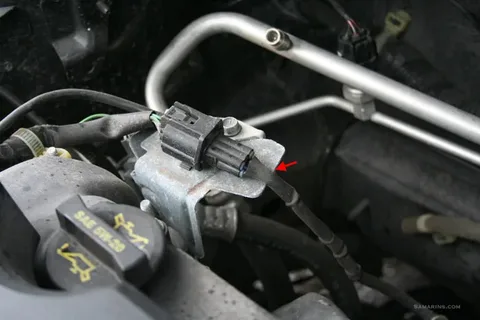
With the Mazda 3 Oxygen Sensor located in a relatively accessible area, you’re now ready to begin the process of removing it. This is a crucial step in the replacement process, as it requires a bit of finesse and attention to detail to avoid damaging any surrounding components. Begin by locating the O2 sensor, which is typically attached to the exhaust manifold on the driver’s side.

Using a 14mm socket wrench, loosen the O2 sensor nut by turning it counterclockwise. Be careful not to remove the nut entirely, as you’ll need to use it to guide the sensor out of its mounting bracket. Once the nut is loose, gently rock the O2 sensor back and forth while pulling it away from the exhaust manifold. This will help dislodge it from its housing and allow it to be removed.

As you remove the O2 sensor, be mindful of the wiring harness that connects it to the engine computer. You may need to gently manipulate the harness to avoid kinking or damaging the wires. With the O2 sensor out of the way, you’ll have clear access to the mounting bracket and can proceed with the next steps in the replacement process. Remember to take your time and work carefully to ensure a successful and stress-free removal of the O2 sensor

.

Removing the Harness Connectors

Removing Harness Connectors and Plastic Retaining Clips

As you continue to disassemble the engine compartment, you’ll encounter the harness connectors that link the various components together. These connectors are secured in place with plastic retaining clips, which can be a bit tricky to remove. But don’t worry, with the right technique and a bit of patience, you’ll be able to remove the harness connectors without damaging them.

Locating and Gently Pulling the Connector

To begin, locate the connector you want to remove and gently pull it away from the engine compartment. You may need to wiggle it a bit to dislodge it from its retaining clips. Once you’ve got some slack, you can focus on removing the connector itself. This initial step helps create the space you need to work on the connector safely.

Releasing the Locking Tab

Start by releasing the locking tab on the connector, which is usually a small lever or button that needs to be pushed or flipped down. This will allow you to slide the connector off the harness. The locking tab is a safety feature to ensure the connector stays in place during operation, so handle it carefully to avoid breaking it.

Disconnecting the Electrical Wires

Next, you’ll need to disconnect the electrical wires from the connector. This may involve pulling on the wires gently or using a small amount of force to dislodge them from their retaining clips. Be careful not to touch any of the wires to any metal surfaces, as this can cause damage to the electrical system. Ensuring that the wires are handled gently and correctly is crucial to prevent any accidental shorts or damage.

Disconnecting the Suzuki Swift Oxygen Sensor Problems Electrical Connections

As you prepare to remove the Suzuki Swift Oxygen Sensor Problems it’s essential to properly disconnect the electrical connections to prevent any damage or electrical shock. Locate the electrical connectors that are attached to the O2 sensor, which are typically located on the driver’s side of the engine compartment. You’ll notice two connectors, one for the sensor’s power wire and the other for the sensor’s signal wire.

The power wire connector is usually a yellow or orange wire with a 4-pin or 6-pin connector. This wire supplies power to the O2 sensor and is usually marked with a label stating “O2 Sensor” or “Lambda Sensor”. Gently pull the connector off the O2 sensor by prying it loose with your fingers or a plastic tool. Be careful not to touch any of the exposed wires or terminals.

The signal wire connector is usually a black or blue wire with a 2-pin or 4-pin connector. This wire transmits the sensor’s signal to the engine computer. Disconnect the signal wire connector by pulling it off the O2 sensor, taking care not to touch any of the exposed wires or terminals.

Removing the O2 Sensor Mounting Bracket

One of the most critical components of the Mazda 3’s engine management system is the oxygen sensor, responsible for monitoring the exhaust gases and providing vital information to the vehicle’s computer. As you navigate the process of replacing the O2 sensor, it’s essential to carefully remove the mounting bracket that holds the sensor in place. This may seem like a daunting task, but with the right guidance, it’s a manageable step.

To begin, locate the O2 sensor mounting bracket, which is attached to the exhaust manifold. You’ll notice that it’s held in place by a few screws and clips. To access the bracket, you’ll need to use a combination of tools, including a socket wrench and a Torx screwdriver. Start by removing the screws that secure the bracket to the exhaust manifold, taking care not to strip the threads.

Once the screws are removed, you’ll need to pry the bracket away from the manifold. This may require some patience and gentle manipulation, as you don’t want to damage the surrounding components. As you work, be sure to keep an eye on any wires or hoses that may be connected to the bracket, as you’ll need to disconnect them before proceeding.

Reconnecting the Oxygen Sensor Suzuki Swift

As you’ve successfully replaced the Oxygen Sensor Suzuki Swift, it’s time to reconnect the harness connectors to ensure a secure and watertight seal. This is a crucial step, as any loose or damaged connections can lead to poor engine performance, decreased fuel efficiency, and potentially even damage to your vehicle’s engine.

Begin by locating the two harness connectors that were previously disconnected. You should find them easily, as they are typically labeled with the Oxygen Sensor Suzuki Swift part number. Take a moment to inspect the connectors for any signs of damage, such as corrosion, cracks, or worn-out pins. If you notice any damage, it’s essential to replace the affected connectors to prevent further issues.

Once you’re satisfied that the connectors are in good condition, gently push the male end of the harness connector into the female end of the O2 sensor housing. Make sure it clicks into place, indicating a secure connection. Repeat this process for the second harness connector.

Next, take a moment to inspect the connectors’ seals and ensure they are free of debris and moisture. This is crucial, as any contamination can compromise the connection and lead to premature failure.

Conclusion

As you’ve navigated the pages of our DIY guide, we hope you’ve gained the confidence and skills to tackle the replacement of your Mazda 3’s O2 sensor with ease. With this step-by-step guide, you’ve saved yourself the hassle and expense of a trip to the mechanic, and have taken control of your car’s maintenance. We’re thrilled to have empowered you with the knowledge and expertise to tackle this job, and we’re confident that your Mazda 3 will run smoother and more efficiently than ever before. Now, get out there and show your car who’s boss – and don’t forget to share your experience with us!

FAQs

What are the signs that my Mazda 3’s O2 sensor needs replacing?

Common signs include a check engine light, poor fuel economy, rough idling, engine misfires, and failed emissions tests.

Can I replace the O2 sensor in my Mazda 3 myself?

Yes, with basic mechanical skills and the right tools, you can replace the O2 sensor yourself by following a step-by-step guide.

What tools do I need to replace the O2 sensor in a Mazda 3?

You will need an O2 sensor socket, a ratchet and extension, a torque wrench, and penetrating oil.

Other Good Articles to Read
Blogs-Nation
Blogs-Peoples
Bryan Smith Blogs
intellect blogs
the fault in our blogs
blogs eu
oz forums
recruitment blogs
zet blogs
id blogs
Blog Studio legale
blogs map
Related Business Listings
Contact Directory
Local Business Profiles


The post Replacing the 02 Sensor Mazda 3: A Step-by-Step DIY Guide appeared first on CME Blog Spot.


from CME Blog Spot https://ift.tt/rvP4wBg
via IFTTT

Maximizing Your 12 Volt 180 Ah Battery for Optimal Performance

In the world of off-grid living, recreational vehicles, and emergency preparedness, a reliable 12-volt battery is an unsung hero that keeps the lights on, the fridge humming, and the devices charged. The 12 volt 180 Ah battery, in particular, is a powerhouse that demands proper care and attention to deliver its maximum potential. However, even with its impressive specifications, this battery can still fall victim to premature aging, reduced capacity, and decreased performance if not properly maintained.

How to Properly Charge Your 12 V 180 Ah

Proper charging is crucial to maintaining the optimal performance of your 12 v 180 ah battery. A well-charged battery is more efficient, providing a longer lifespan and better overall performance. However, charging your battery incorrectly can lead to reduced capacity, shortened lifespan, and even damage to the battery.

To charge your 12-volt 180Ah battery properly, you must use a charger specifically designed for its type and size. A charger that is not compatible with your battery can damage it or, worse, render it useless.

When charging your battery, pay attention to the charge rate. A slower charge rate is recommended, as it allows the battery to absorb the charge more evenly and reduces the risk of overheating. This is particularly important for deep-cycle batteries like your 12-volt 180Ah battery, which are designed to be discharged and recharged multiple times.

By following these guidelines and using a high-quality charger designed for your 12-volt 180Ah battery, you can ensure that it is charged correctly and ready for use. This charger will help you get the most out of your battery and extend its lifespan, making it a valuable investment for your vehicle or off-grid applications.

Role of 180ah battery Solar Panel      

An 180Ah battery plays a pivotal role in solar panel systems by serving as an essential energy storage and management component. Solar panels generate DC (direct current) electricity from sunlight in a solar setup. This electricity is then fed into the battery through a charge controller, which optimizes charging to prevent overcharging and ensures efficient storage. The primary role of an 180ah battery solar panel is to store the energy harvested from the sun during peak sunlight hours.

This stored energy is then available when solar panel output is reduced or absent, such as at night or on cloudy days. This energy storage capability is crucial for ensuring a continuous and reliable power supply in off-grid systems or as a backup in grid-tied setups. Additionally, the 180Ah battery helps stabilize the system by smoothing out fluctuations in solar power output. It acts as a buffer, providing consistent electricity to connected appliances and devices, thus optimizing energy use and enhancing overall system efficiency.

Moreover, the size and capacity of the 180Ah battery are chosen based on the application’s specific energy needs. The battery balances the requirements for storage capacity, cycle life, and discharge characteristics to ensure longevity and reliable performance.12 v 180 ah

Solar panel for 180ah battery

To determine the appropriate solar panel for 180Ah battery, several factors need consideration:

  • Energy Requirements:Calculate the daily energy consumption in watt-hours (Wh) of your appliances and devices the battery will power. It helps determine how much energy the solar panels need to generate each day to replenish the battery.
  • Location and Sunlight Conditions:Consider your location’s average daily sunlight hours. This information helps estimate the solar panel output. For instance, areas with more sunlight will generate more electricity daily than locations without sunlight.
  • Panel Efficiency and Size:Solar panels vary in efficiency and physical size. Higher-efficiency panels generate more electricity for a given area, which can be beneficial if space is limited. Calculate the total wattage (W) needed based on your energy requirements and sunlight conditions.
  • Charge Controller and System Voltage:Ensure the charge controller is compatible with the solar panels and the battery. It regulates the voltage and current from the panels to charge the battery safely without overcharging or damaging it.

Understanding the Role of Temperature in 12-Volt 180Ah Battery Performance

When maximizing the performance of your 12-volt 180Ah battery, temperature plays a crucial role in determining its overall efficiency. As with any battery, the 12-volt 180Ah is sensitive to temperature fluctuations, which can significantly impact its ability to hold a charge, provide a steady power supply, and maintain its overall health.

In ideal conditions, the optimal operating temperature for a 12-volt 180Ah battery is between 20°C to 25°C (68°F to 77°F). This temperature range allows the battery to function at its peak capacity, with the electrolyte ions moving freely and the chemical reactions occurring efficiently. However, when the temperature rises above 30°C (86°F), the battery’s performance degrades, reducing its capacity to hold a charge. Conversely, when the temperature drops below 0°C (32°F), the battery’s internal resistance increases, compromising its ability to provide power.

By understanding the role of temperature in your 12-volt 180Ah battery’s performance, you can take proactive steps to optimize its operation, extend its lifespan, and maximize its overall efficiency. By keeping your battery at the optimal temperature range, you can ensure it continues performing at its best, providing reliable power when needed.

How to Monitor and Maintain Your Battery’s State of Charge

Maintaining your 12-volt 180Ah battery’s state of charge is crucial for optimal performance and longevity. A poorly monitored and maintained battery can lead to reduced capacity, decreased efficiency, and even premature failure. This section will explore the importance of monitoring and maintaining your battery’s state of charge.

·         Understanding State of Charge (SOC)

Before we discuss the tips and tricks, it’s essential to understand the state of charge. State of charge refers to the percentage of the battery’s capacity. A fully charged battery, for example, has a 100% charge, while a wholly discharged battery has a 0% charge.

·         Why Monitoring State of Charge Matters

Monitoring your battery’s state of charge is crucial for several reasons. First, it allows you to identify potential issues before they become major problems. For example, if your battery consistently sits at a low state of charge, it may be a sign of a deeper issue, such as a faulty charging system or a worn-out battery.

Secondly, monitoring the state of charge helps you optimize your charging and discharging cycles. A battery that is charged and discharged too frequently can reduce its capacity and lifespan. By monitoring its state of charge, you can ensure it is not overcharging or over-discharging.

Tips and Tricks for Monitoring and Maintaining State of Charge

Use a Battery Monitor: A battery monitor is a device that attaches to your battery and provides real-time information about its state of charge. It can be especially useful for deep cycle batteries, designed for heavy use and requiring regular monitoring.

  • Check Your Battery Regularly: Check your battery’s state of charge regularly to identify potential issues before they become major problems.
  • Use a Hydrometer: A hydrometer is a tool that measures the specific gravity of your battery’s electrolyte. It can help you identify your battery’s charge imbalances and take corrective action.
  • Avoid Overcharging: Overcharging can damage your battery’s internal components and reduce its lifespan.
  • Keep Your Battery Clean: Keep your battery clean and corrosion-free to ensure optimal performance and longevity.

Following these tips and tricks, you can ensure that your 12-volt 180Ah battery is adequately monitored and maintained, leading to optimal performance and a longer lifespan.

The Benefits of 180ah deep cycle Battery

An 180Ah deep cycle battery offers numerous benefits that cater to diverse energy storage needs across residential, commercial, and industrial sectors. These batteries are specifically designed to deliver sustained power over extended periods and withstand frequent deep discharges, making them indispensable for applications requiring reliable and efficient energy storage solutions.

Firstly, longevity and durability are hallmark features of a 180Ah deep-cycle battery. Unlike conventional automotive batteries, optimized for short bursts of high current, deep-cycle batteries like the 180Ah variant are built with thicker, heavier plates and robust internal structures. This design allows them to endure repeated deep discharges without compromising their performance or longevity. As a result, they are ideally suited for renewable energy systems, off-grid cabins, RVs, and marine applications where reliability and longevity are paramount.

Secondly, the energy storage capacity of a 180Ah deep-cycle battery is substantial. The 180Ah rating signifies the energy the battery can deliver over a certain period. This capacity ensures ample storage for powering various appliances, electronics, and equipment, even during extended periods without sunlight (in the case of solar systems) or access to grid power. This capability is crucial for maintaining operational continuity and meeting energy demands in off-grid scenarios or during power outages.

How to Extend the Lifespan of Your 12-Volt 180Ah Battery

Your 12-volt 180Ah battery is the lifeblood of your electrical system and requires proper care and maintenance to ensure optimal performance and longevity. One of the most effective ways to extend the lifespan of your battery is to store it properly when not in use. When your battery is in storage, it’s exposed to the elements, which can cause it to degrade over time. To combat this, keeping your battery in a cool, dry place, away from direct sunlight and moisture, is essential.

Another crucial aspect of battery maintenance is monitoring its state of charge. Please regularly check and maintain the correct charge level to prevent the battery from deteriorating faster. It’s recommended to keep your battery at a 50% charge level when not in use, as this helps to prevent deep discharge and reduces the likelihood of sulfation.

In addition to proper storage and maintenance, it is vital to ensure your battery is connected correctly and secured. Loose connections can cause electrical arcing, leading to damage and premature failure. Ensure all terminals and connections are clean, secure, and corrosion-free.

By following these simple tips and guidelines, you can significantly extend the lifespan of your 12-volt 180Ah battery, ensuring it continues to provide reliable power for your electrical system. Remember, a well-maintained battery is a happy battery, and a happy battery will serve you well for years to come.

 Conclusion

As they conclude our article on maximizing your 12 volt 180 Ah battery, they hope you now have the knowledge and tools to maximise your battery’s performance. From optimizing charging and maintenance to extending its lifespan, we’ve covered the essential tips and tricks to ensure your battery runs at its peak. With these expert tips, you can power your devices, vehicles, and equipment confidently, knowing that your battery works efficiently and effectively. From camping trips to daily commutes, a well-maintained battery is a game-changer, and we’re confident you’ll experience the benefits firsthand.

FAQS

What Is An 180Ah Deep-Cycle Battery?

An 180Ah deep-cycle battery is a rechargeable battery designed to provide sustained power over extended periods. It is characterized by its capacity to deliver 180 ampere-hours (Ah) of energy before recharging, making it suitable for applications requiring reliable and durable energy storage.

How Long Will An 180Ah Deep-Cycle Battery Last On A Single Charge?

The runtime of an 180Ah deep-cycle battery depends on several factors, including the discharge rate, the load connected to the battery, and its current state of charge. Generally, it can provide power for several hours to days, depending on the energy consumption and efficiency of the connected devices.

What Is The Difference Between Deep-Cycle And Starting Batteries?

Like the 180Ah variant, deep-cycle batteries are designed to provide steady power over a more extended period and withstand frequent deep discharges. They are ideal for sustained energy delivery applications, such as renewable energy storage and off-grid systems. In contrast, starting batteries are designed to deliver quick bursts of high current to start engines and are not suitable for deep discharges, which can damage them over time.

Other Good Articles to Read
Blogs-Nation
Blogs-Peoples
Bryan Smith Blogs
intellect blogs
the fault in our blogs
blogs eu
oz forums
recruitment blogs
zet blogs
id blogs
Blog Studio legale
blogs map
Related Business Listings
Contact Directory
Local Business Profiles


The post Maximizing Your 12 Volt 180 Ah Battery for Optimal Performance appeared first on CME Blog Spot.


from CME Blog Spot https://ift.tt/xRolm1z
via IFTTT